While I’m sure you’re familiar with at least some variety of Swiss cheese or chocolate (or pharmaceuticals, if that’s the sort of thing you’re into), nothing quite defines the ethos of the Alpine country as well as luxury watchmaking. That said, Switzerland isn’t the only place where such watches are made, with places like Germany and Japan making inroads into reducing Swiss dominance. It’s the former that’s particularly notable here, with a long history of making fine wristwatches despite its rather turbulent past. These days, you can get a quality German watch at any price point, their designs varying from vintage-respecting fliegers and minimalist Bauhaus timekeepers to the very finest handcrafts you’ve ever seen.
A. Lange & Söhne

As this list is sorted alphabetically, it should be no surprise that we start with A. Lange & Söhne. For most people familiar with German watches, Lange will likely be on their radar, and for all the right reasons. In many ways, Lange is comparable to the Swiss Holy Trinity, though considering the level of complication and volume Lange produces, it kind of sits alone at that pinnacle – a Holy Unity, if you will. From their thin, entry-level Saxonias to truly uniquely complicated watches like the Datograph Triple Split and Zeitwerk, the Richemont-owned brand is most recognisable by the Lange 1, a watch introduced with the brand’s revival in 1990, and deserving of being called a modern icon.
Glashütte Original

Closely matching Lange in its Teutonic designs is Glashütte Original. The brand created was from the ashes of the state-controlled Volkseigener Betrieb Glashütter Uhrenbetriebe that combined all independent Glashütte manufacturers, and eventually dissolved with the reunification of Germany. Glashütte Original’s watches draw inspiration from many eras, including those before the brand was re-formed, recognisable for its big date-equipped Pano collection that riffs off of the golden ratio, the Sixties and Seventies models that are self-explanatory in their design origins, as well as the SeaQ diver that takes after a particularly popular vintage example, the Spezimatic.
Hanhart
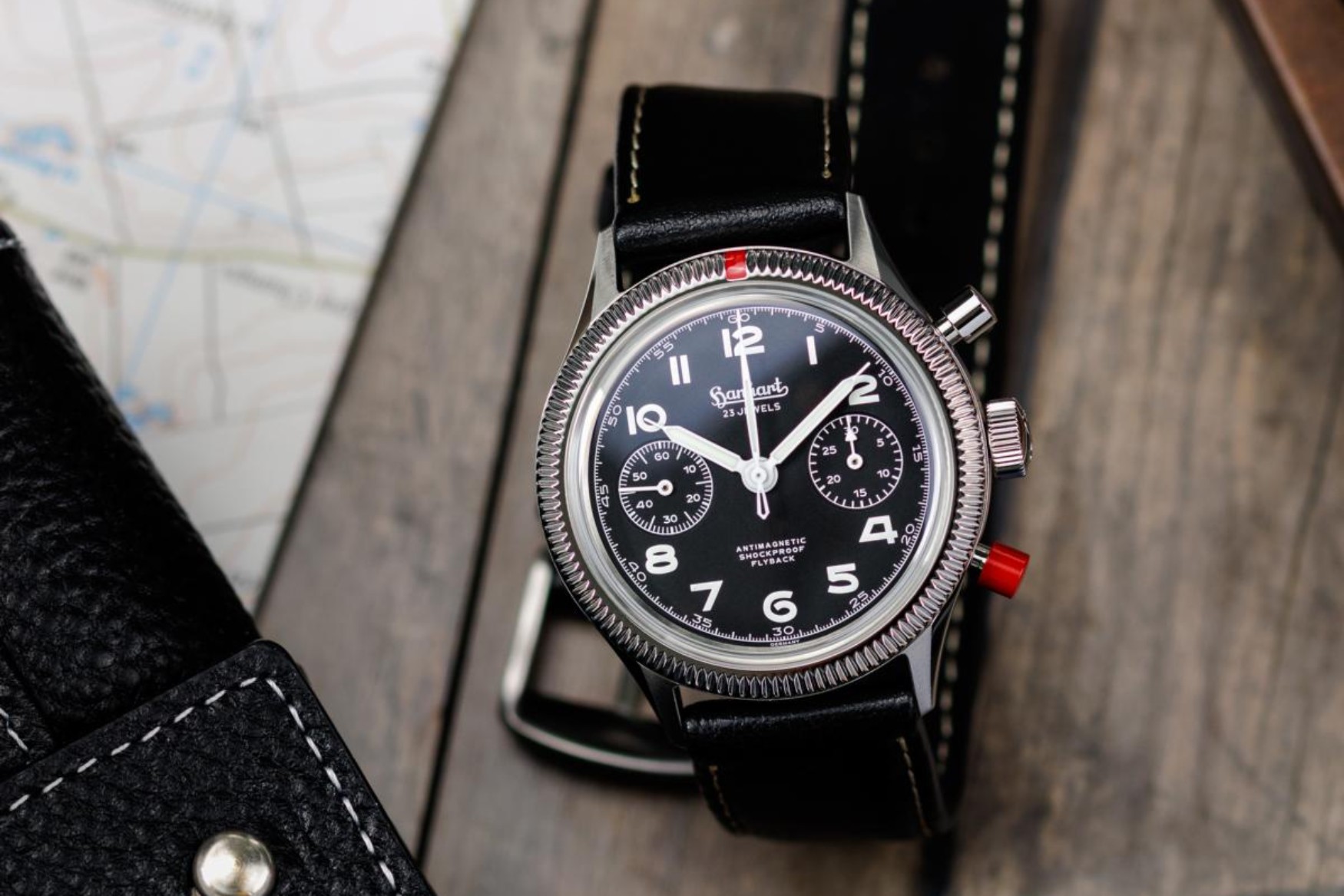
A famed manufacturer of chronographs – especially those with a flyback function – Hanhart has had a bit of a star-studded past. Most famously worn on a bund strap by none other than Steve McQueen, their 417 ES model continues to spearhead the brand today. And yes, yes – I know the town that the brand originated in was in Switzerland, but they’ve resided in Schwenningen am Neckar in the Black Forest since 1902 – that’s German enough for me. The brand was also an early adopter of quartz movement and LCD technology, developing the former by themselves as early as 1972. Today, Hanhart has expanded their collection to include more than just chronographs, though retaining the tooltastic aesthetic throughout their offering.
Junghans
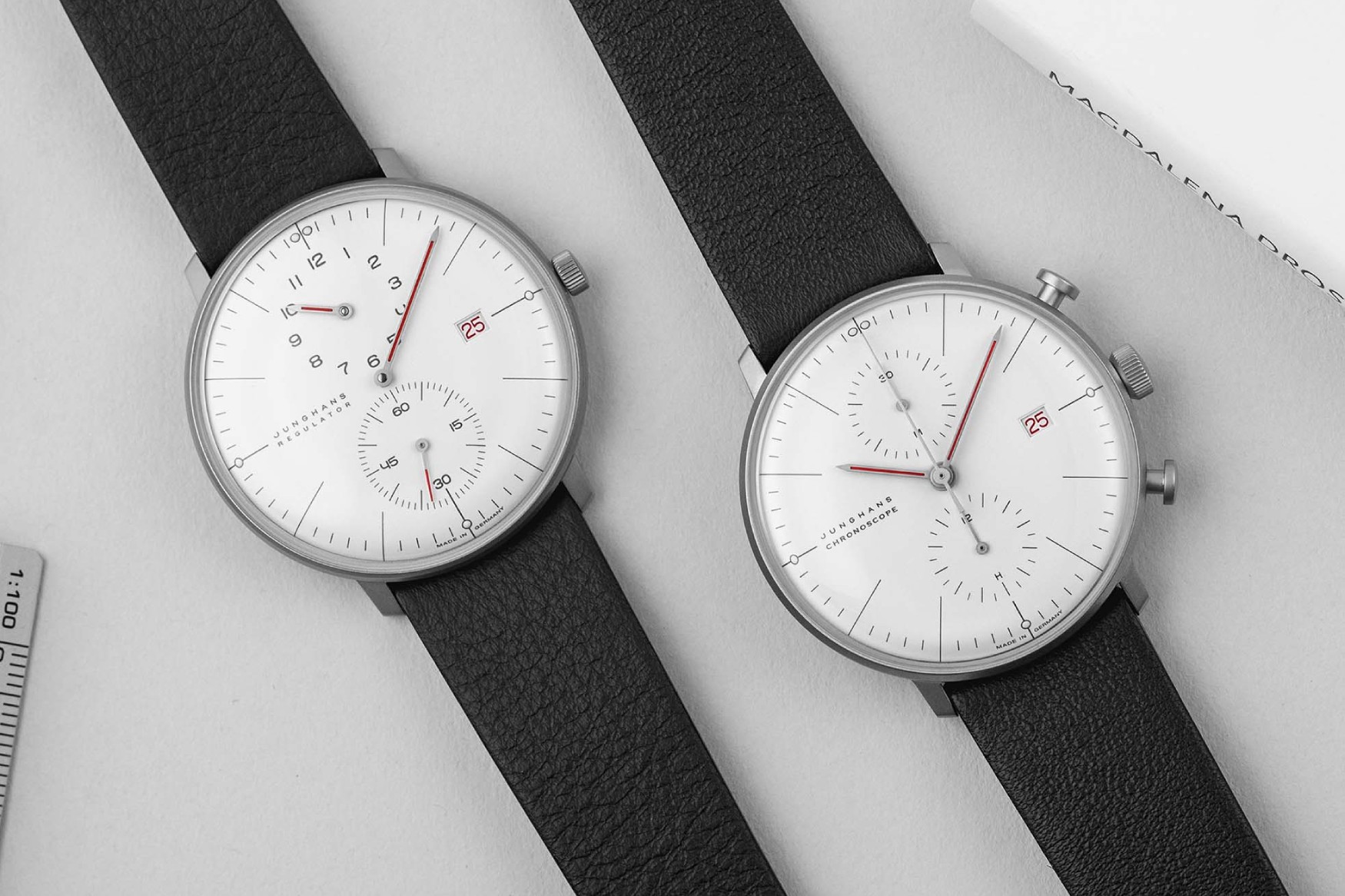
A design movement often associated with German watchmaking is Bauhaus, and you won’t find purer Bauhaus than in Junghans’ Max Bill collection. Named after the famed Swiss designer, his original takes imbue wristwatches and clocks, but there’s more to the brand than that. While it’s no longer the powerhouse it was in the first half of the 20th century – at one time having the largest watch factory in the world – Junghans also offers more minimalist designs like its Form A collection, brawny pilot’s watches, as well as blasts into the past with its funky Sport collection that covers the brand’s unique 1970s look.
Kudoke
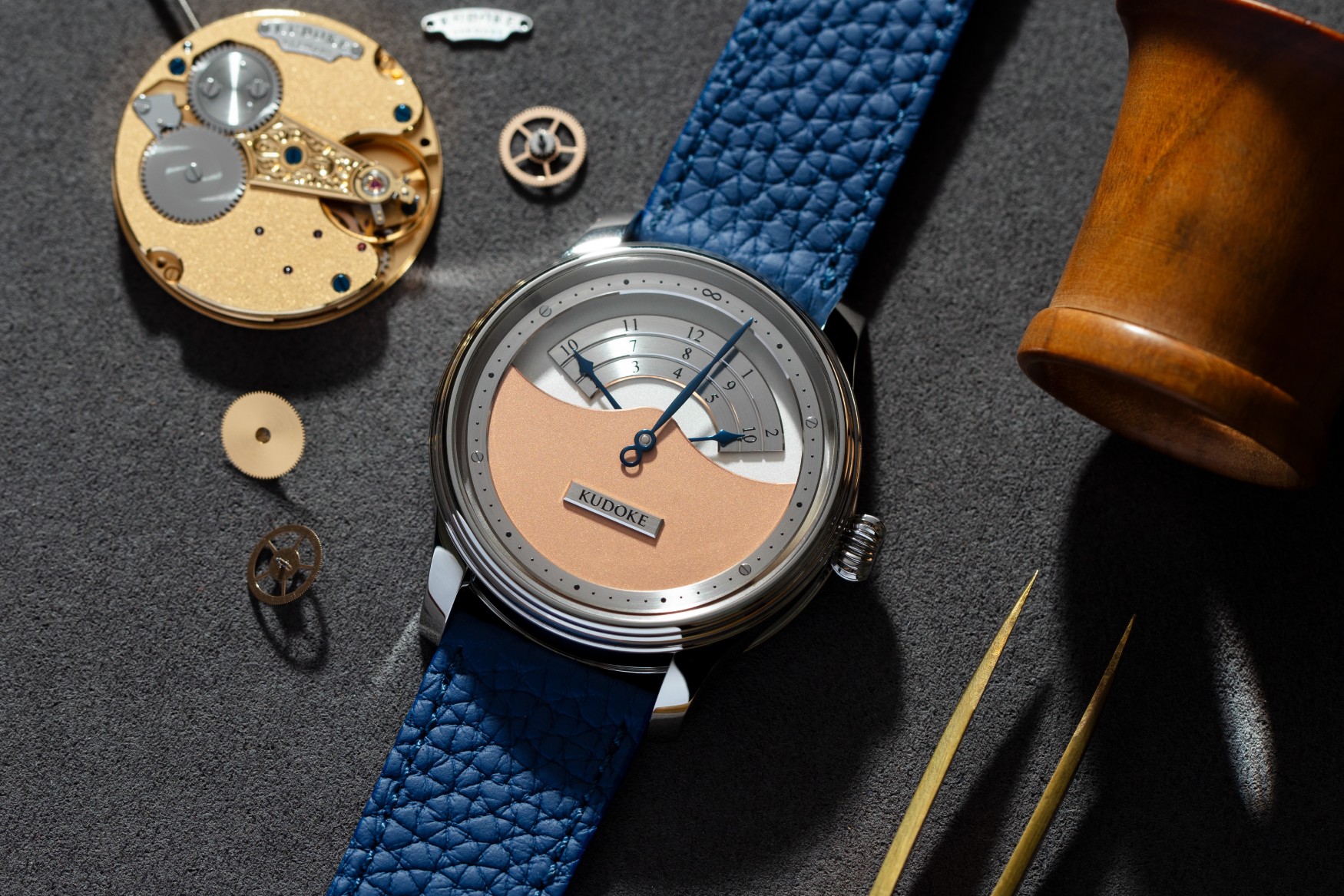
One of Germany’s most impressive independent watchmakers is Kudoke, proved by the fact that, despite its relatively short history, they’ve been awarded two GPHG awards since 2019. A look at the brand’s watches makes the jury’s decision obvious, with actually unique designs that aren’t derivatives in a world where a “novelty” can be just a new dial colour, and a commendable level of finishing that’s all the more impressive when considering the price point, which is not as ridiculous as you might think. Kudoke separates its offering into the “regular-production” Handwerk, and the Kunstwerk special projects division. The former uses the brand’s in-house developed Kaliber 1 as a base for all complications, while special pieces receive upgrades like hand-made dials and extensive skeletonisation.
Laco
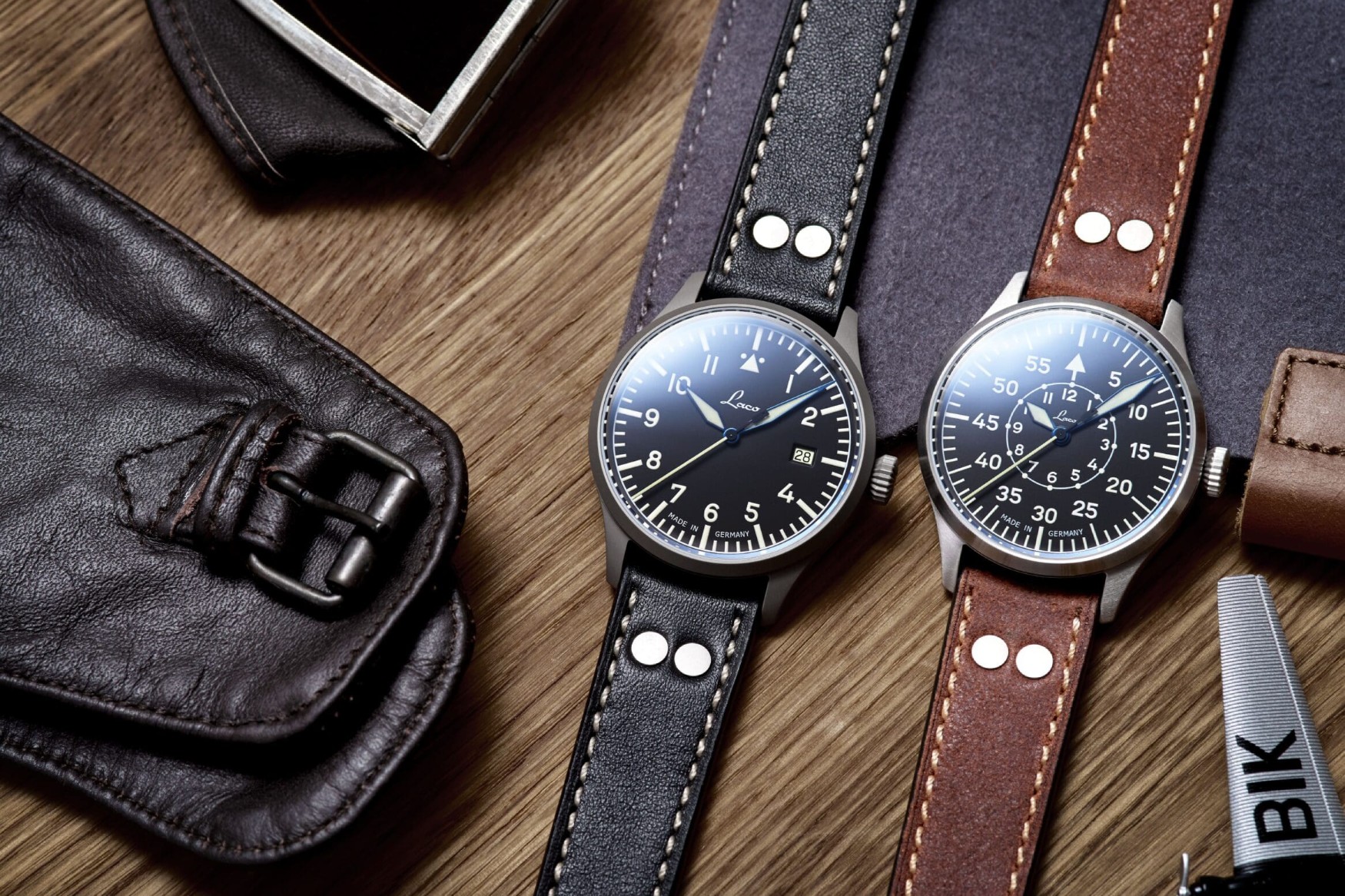
If you’ve ever looked into German watch brands, chances are you would’ve come across flieger-style pilot’s watches. These trace their origins back to the 1930s and WWII, making them the Axis foil to the Allied Dirty Dozen. Laco was one of five brands entrusted with this government contract (the others being Stowa, Wempe, A. Lange & Söhne, and IWC), and much of the brand’s output relies on this style of watch today. Laco’s range, however, has extended much further in recent year, and now encompasses chronographs, divers, daily, dress, and Bauhaus-inspired pieces too.
Lang & Heyne
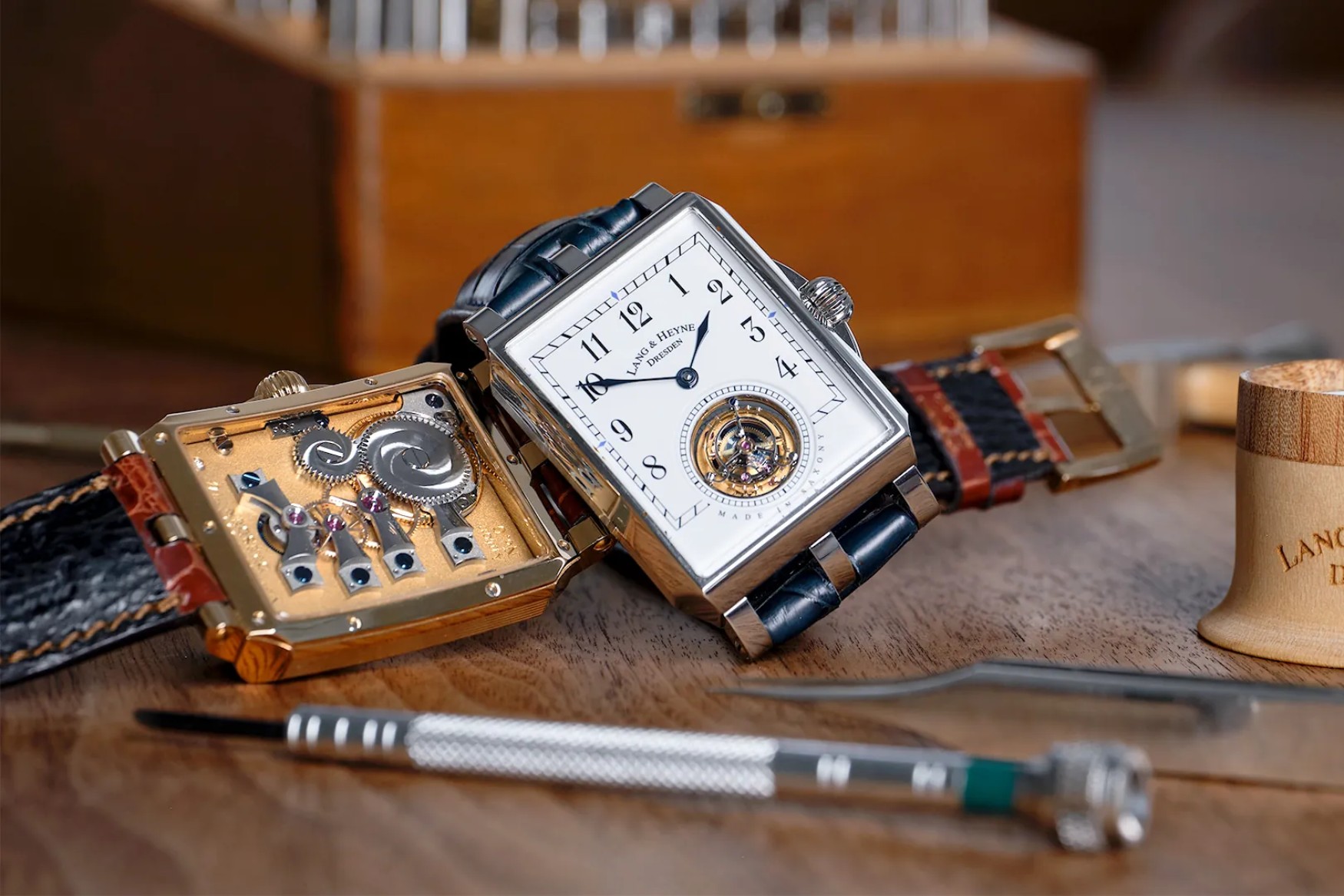
We go from a brand making knockabout tool watches to one obsessed with hand-finishing in Lang & Heyne. To get the inevitable disclaimer out of the way – no, L&H are not related to A. Lange & Söhne in any way, and with a much more focused offering, Lang & Heyne’s pieces compete with Lange’s finest. While both founders have now left the company (Mirko Heyne became head of R&D at Nomos, and Marco Lang eventually set up his eponymous brand), the brand continues under the original name, but has departed from Lang’s intensely laborious and hand-made processes that defined them in the early years, ramping up production while sacrificing as little as possible, working in unison with their most faithful supporters to understand the aspects of finishing that matter most to them.
Nomos Glashütte
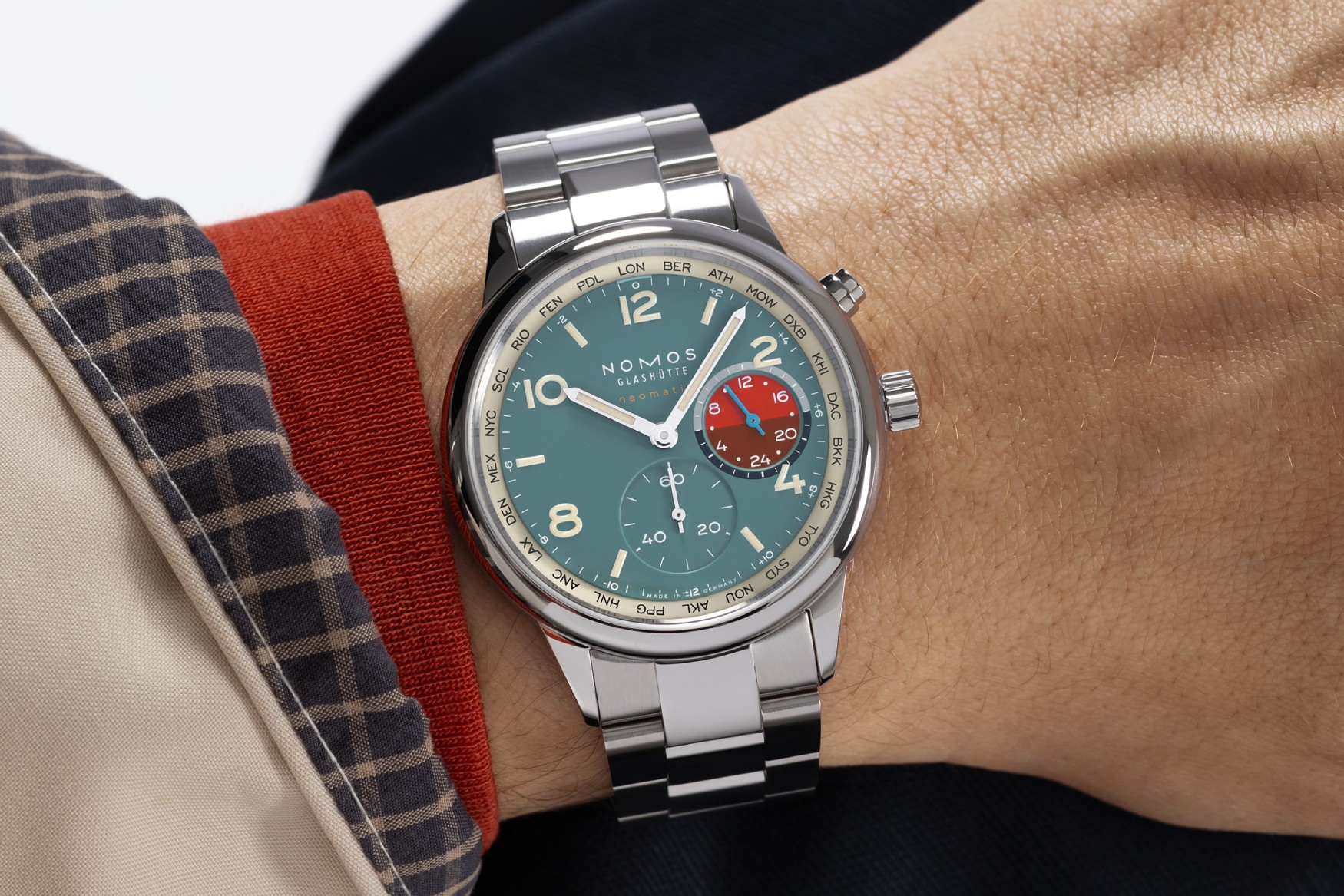
Of all German watch brands, Nomos tends to get the most recognition for their fresh takes on the Bauhaus style. Since its founding in 1990, Nomos has become increasingly independent of outside manufacturing, developing numerous calibres as well as their own escapement, culminating in all of their movements currently being made in-house. Largely lauded for their value-for-money proposition, Nomos has recently begun to expand into a pricier market segment, which has been well received despite the increase in cost. One thing that hasn’t changed, regardless of how much you choose to spend on a Nomos, is that their minimalist designs and colour palettes are second to none.
Sinn
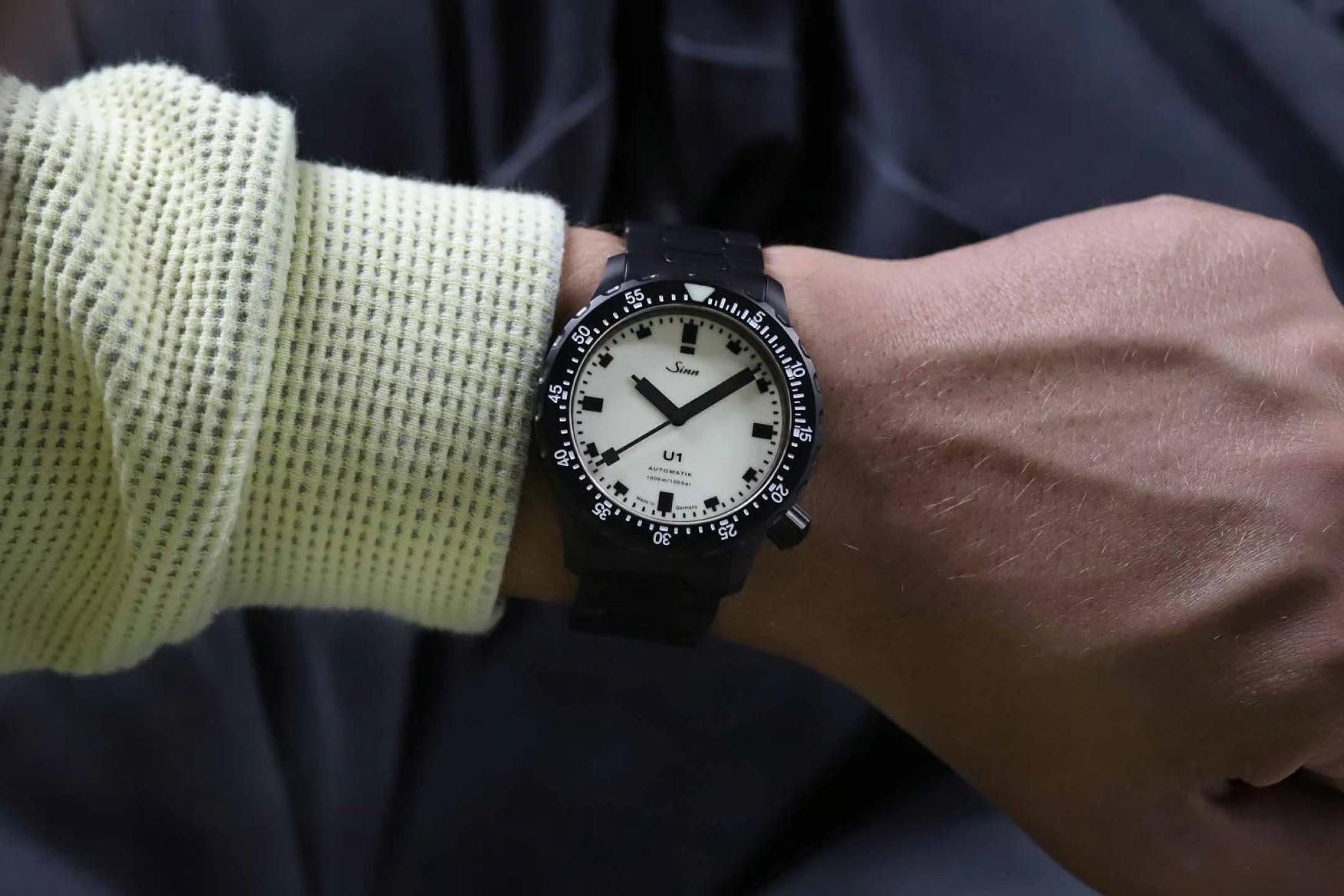
For all its achievements and varied collections, Sinn can be perfectly described with one word – capable. This ethos is imbued in all of the watches made by the Frankfurt manufacturers, from the very sleek Financial District pieces to the aviation instrument-inspired chronographs and ultra-tough dive watches. Highlighting a few key models, we can’t not mention the oil-filled UX Hydro capable of diving down to a staggering 5,000 metres or the classic 104 pilot’s watch that is still recommended by many as a great first luxury purchase.
Tutima
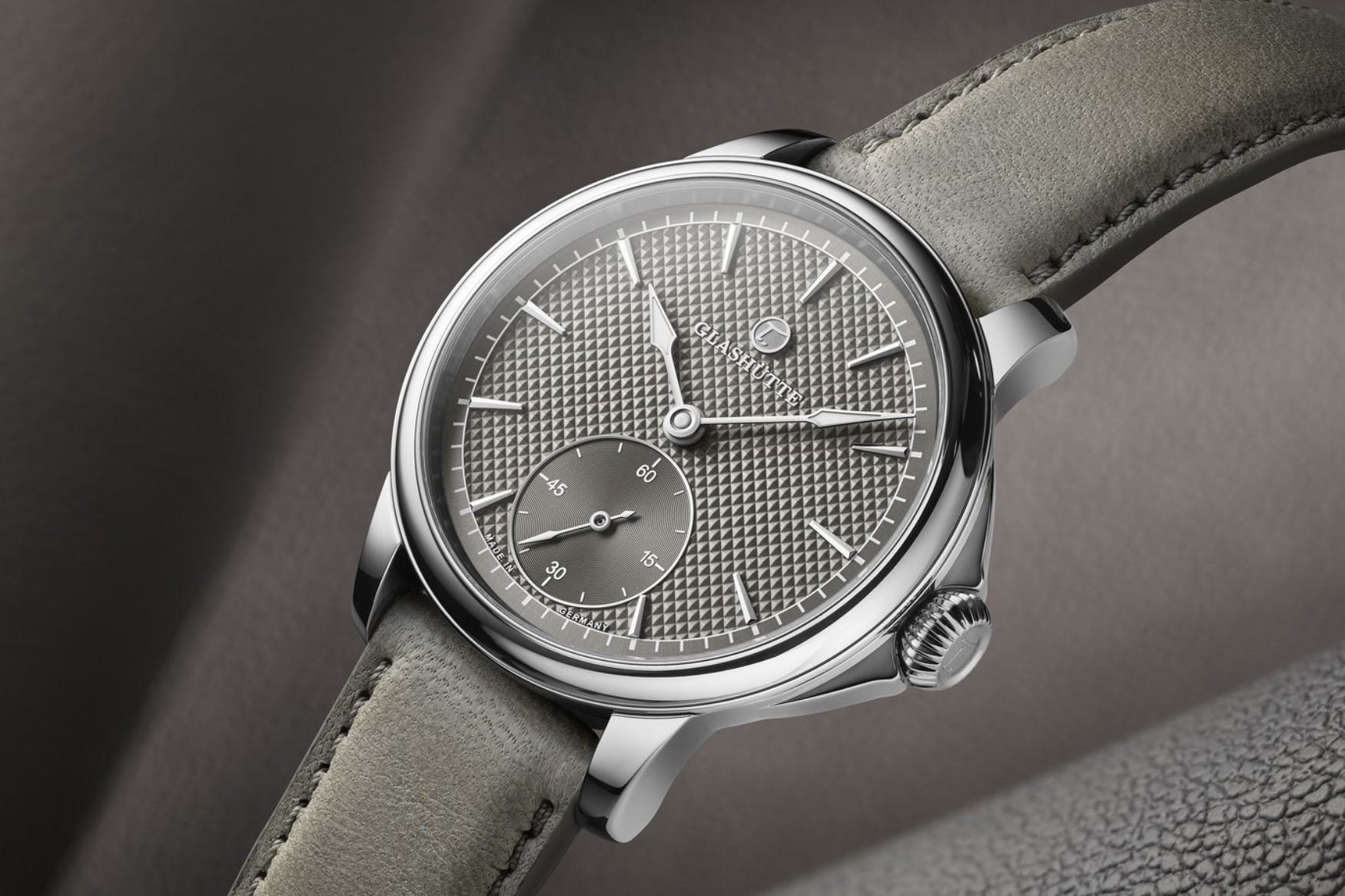
Rounding out the list is Tutima, a brand with a fascinating history, operating continuously in Lower Saxony throughout the East-West German divide despite originally setting up shop in Glashütte. Eventually, Tutima reestablished operation in Glashütte in the 2000s, operating its new factory simultaneously with the Ganderkesee plant. They celebrated this in 2011 with the Hommage, the first minute repeater developed in Glashütte – that’s some achievement considering some of the other heavy-hitters from the region, notably the one at the top of this list. Since then, they’ve mostly used modified ETA movements, but have also developed in-house movements such as the Cal. 617 in the Patria (pictured above, and based on the movement from the Hommage repeater), as well as the Tempostopp, a manually wound flyback chronograph.